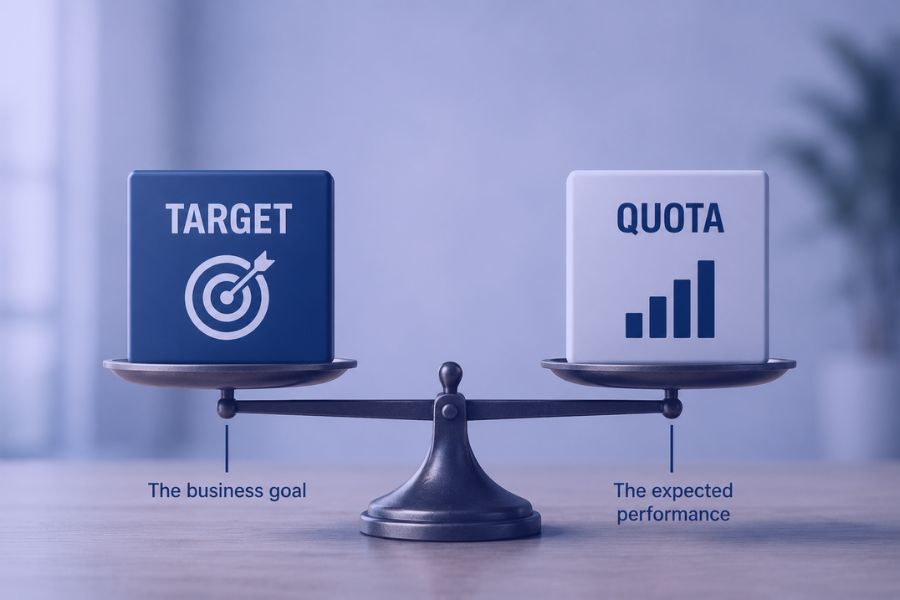

Introduction: when incentives are working, but inefficiently
Mature companies often run robust incentive programs with many roles, channels, and product lines. Over time, complexity creeps in. Manual calculations multiply, disputes take longer to resolve, and leaders struggle to explain how payouts connect to strategy. According to industry research, sales operations can spend a meaningful share of total sales cost just managing incentives manually, time and money that should go back to selling.
The good news is that established programs are the best candidates for optimisation. With the right design choices and the right operating platform, you can cut administrative effort, raise pay accuracy, and turn incentives into a sharper, lighter tool for performance.
Why optimisation matters
Incentive systems are living mechanisms; they require routine tuning to stay aligned with evolving strategy. Entering new markets, launching new pricing, adding partner channels, or shifting to new product families all demand plan and process updates.
For management, optimisation ensures incentives reinforce the current strategy. That means paying more for the outcomes that matter now, and less for activities that no longer move the needle.
For HR and operations, optimisation reduces administrative burden, error rates, and frustration. Clean rules plus transparent statements improve trust, and fewer exceptions mean fewer disputes. When you operate incentives with an incentive compensation management platform, you get the controls to change quickly without creating chaos.
The business impact
Efficiency gains. Automating calculations and approvals saves hours per rep per month. Administrators stop wrangling spreadsheets and focus on plan quality, data health, and coaching support.
Revenue gains. Better visibility drives performance. When reps can see their progress and projected payout in real time, they prioritize the activities that increase attainment.
Reduced friction. Transparency builds trust between sales and management. Clear definitions, published policies, and accurate, on time statements lower disputes and shorten close cycles.
Example. A telecom provider moved from manual spreadsheets to a modern ICM approach, reducing processing time for commissions by a large margin while field satisfaction rose significantly. The pattern is repeatable in complex environments with multiple channels, products, and legacy rules. For multi-channel pitfalls and fixes, review the multi channel challenge.
How to optimise an existing incentive program
1) Digitalise the process
Spreadsheets struggle with tiers, accelerators, product bands, clawbacks, partner splits, and retro crediting. An ICM platform like Motiwai centralises logic, integrates CRM and billing, calculates payouts, and publishes statements on schedule. It also gives finance and sales operations a shared source of truth, which reduces month end reconciliation effort. For cross-functional value, see how ICM tools bring Sales and Finance together.
Practical steps:
- Map every rule and exception, then consolidate duplicate logic
- Standardise naming for metrics and measures
- Load historical data to validate calculations and find data quality gaps
- Automate eligibility, proration, and currency conversion where needed
2) Add analytics for design quality
Analytics help you measure plan effectiveness and cost to pay. Start with a compact set of views:
- Attainment distribution by role and segment
- Pay mix versus target mix, cost of sales versus budget
- Correlation between behaviors and outcomes, for example, attach rate and renewal likelihood
- Forecast of payout under different thresholds or multipliers
Use the analytics to test scenarios before launch. Simulate new thresholds on last quarter’s data, estimate cost and impact, then decide with confidence. When analytics are native to your ICM, plan changes are faster and safer.
3) Enhance rep communication
Clarity increases engagement and reduces back and forth.
- Publish a one-page plan summary for each role, with concrete examples
- Provide a self-service dashboard that shows attainment, projected payout, and how each KPI contributes
- Send automated alerts when reps cross thresholds or enter accelerator bands
- Include policy and glossary links in the same portal, for example, a quick explainer on the commission vs bonus difference
When reps can self-audit, they trust the system, and managers can spend more time on coaching.
4) Strengthen governance and controls
As programs grow, governance prevents accidental complexity and ensures compliance.
- Introduce workflow approvals for plan changes, exceptions, and manual adjustments
- Enforce role-based access to plan logic and payout data
- Maintain audit trails for every change to rules and transactions
- Align quarterly reviews with finance and HR calendars, lock rules for the period, and document decisions
Strong governance reduces risk, speeds audits, and improves collaboration among sales, finance, and HR.
5) Simplify without losing precision
Mature programs often accumulate too many components. Aim for fewer, clearer levers that still reflect value.
- Focus each role on two or three KPIs that explain most of the outcome
- Replace overlapping components with a single multiplier tied to strategic product families or profitable segments
- Use guardrails such as margin floors, clawbacks for early churn, and caps where needed, but keep the rep view simple
- Align crediting rules across channels to reduce conflict, use deal registration and clear split logic for partners
6) Align incentives with strategy and ESG
As corporate goals evolve, incentives should reflect them.
- Tie a portion of the payout to strategic initiatives, for example, expansion in a new segment or attachment of a new service
- Introduce quality measures or customer outcomes as guardrails, such as NPS or on-time delivery
- Where appropriate, connect a small share of variable pay to ESG-related objectives that are material and measurable, for example, adoption of paperless contracts or energy-efficient product lines
7) Integrate systems for real-time updates
Integrations remove lag between activity and recognition.
- Connect CRM for opportunity and account events, ERP or billing for bookings and invoices, HRIS for eligibility and proration
- Establish a data contract that defines fields, refresh cadence, and reconciliation checkpoints
- Use error handling and data validation rules to catch issues early
When data flows are reliable, reps see progress quickly, and finance closes the books with fewer surprises.
8) Institute a continuous review rhythm
Set a quarterly cadence to evaluate effectiveness and cost. Use a simple scorecard:
- Are the top three KPIs moving in the right direction?
- Is the attainment curve healthy or bunched at thresholds?
- Are disputes trending down? Are statements delivered on time?
- Is cost of sales within plan, are we rewarding profitable growth?
Decide which changes are urgent, which can wait, and which should be tested in a pilot. Communicate decisions clearly and publish the updated summary.
What mature, optimised incentives look like
Leaders can explain the plan in minutes. Reps know which actions increase payout today. Finance can forecast cost and cash timing with high confidence. HR sees equitable rules and a decline in disputes. Operations closes months faster because calculations are automated and auditable. The plan is flexible, yet simple to understand. Data, rules, and communication live in one place, so everyone reads from the same page.
Getting started, a quick diagnostic
- How many components does each role have, which ones directly support the current strategy?
- How much time do teams spend on manual adjustments, disputes, and reconciliation?
- Do reps receive accurate statements on a predictable schedule?
- Can you simulate a rule change in hours, not weeks?
- Are channel crediting and splits consistent across field, inside, digital, and partners?
- Do you have a quarterly review with decisions tracked and communicated?
If the answers expose friction, you are ready to recapture time and budget.
Closing
Efficiency is the new growth driver. With the right platform and process, companies turn incentive management from administration into a performance engine. If you would like a quick benchmark of your current setup, a simulation of potential design changes, or a migration plan out of spreadsheets, connect with our team through the contact page.